Blackheads: What They Are & How to Get Rid of Them
The short answer
Blackheads are open comedones cleared most effectively by salicylic acid and retinoids used consistently over.
What Are Blackheads?
Blackheads are a form of non-inflammatory acne known clinically as open comedones. They form when the hair follicle becomes plugged with a combination of sebum (skin oil) and dead keratinocytes (skin cells), but unlike whiteheads, the follicular opening remains exposed to air. This exposure causes the contents to undergo oxidation — turning the plug a characteristic dark brown or black color.
The black color is emphatically not dirt. It is the result of oxidized melanin and lipids reacting with oxygen through the open pore. Scrubbing harder or washing more frequently does nothing to address blackheads; the plug resides inside the follicle, below the skin surface, where soap and water cannot reach it.
Blackheads are the most common type of comedone and appear most frequently on the nose, forehead, and chin — the oiliest areas of the T-zone — though they can form anywhere sebaceous glands are active, including the chest and back.
How Blackheads Form
Every blackhead begins as a microcomedo — an invisible plug of sebum and abnormally shed keratinocytes (dead skin cells) that accumulates inside the follicular infundibulum (the uppermost portion of the hair follicle). The sequence:
- Excess sebum production. Androgens stimulate sebaceous glands to produce more oil. More sebum means more raw material for a plug.
- Follicular hyperkeratinization. In acne-prone skin, the cells lining the follicle shed abnormally — they clump together rather than shedding individually and continuously. This buildup forms the initial obstruction.
- Microcomedo formation. The accumulated sebum and cell debris create a microcomedo, which is invisible to the naked eye at this stage.
- Open comedone (blackhead). If the follicular opening remains open and the plug grows to the surface, it becomes an open comedone. Oxygen contacts the contents, melanin oxidizes, and the characteristic dark plug is visible.
By contrast, a closed comedone (whitehead) forms when the follicular opening is sealed over by skin, trapping the contents beneath and keeping them pale.
Who Gets Blackheads and Why
Blackheads are extremely common — they affect the majority of people at some point, peaking during adolescence when androgenic stimulation drives maximum sebum output. However, blackheads are not exclusively a teenage concern:
- Oily skin types are more prone throughout life due to higher baseline sebum production
- Hormonal fluctuations — menstrual cycle, pregnancy, PCOS — temporarily increase sebum and worsens comedonal acne
- Certain skincare and makeup products can contribute if they occlude follicles (comedogenic ingredients)
- High-humidity environments may worsen congestion by increasing surface sebum accumulation
- Genetics determines follicular keratinization patterns and sebaceous gland activity — the most significant non-modifiable risk factor
Blackheads are equally common across skin tones. In deeper skin tones, they may be less visually prominent against the background skin color, but the formation mechanism is identical.
Treatment: What Actually Works
Salicylic Acid (BHA) — First-Line OTC
Salicylic acid is the most targeted OTC ingredient for blackheads because of a unique pharmacological property: it is oil-soluble (lipophilic). While water-based exfoliants like glycolic acid work only at the skin surface, salicylic acid penetrates into the lipid-rich sebaceous follicle and:
- Dissolves the intercellular cement holding dead skin cells together inside the follicle
- Breaks down and loosens the sebaceous plug
- Exerts anti-inflammatory properties that reduce follicular inflammation
At 0.5%–2% in leave-on products (toners, serums, lotions), salicylic acid is the US FDA's recognized OTC acne treatment concentration for comedonal acne. Leave-on products are significantly more effective than wash-off salicylic acid cleansers, which do not have sufficient contact time to penetrate the follicle.
DermNet confirms: Topical salicylic acid is an established alternative to topical retinoids for individuals who cannot tolerate them, acting specifically on follicular keratinocytes to dissolve existing keratin plugs and prevent new ones.
Practical guidance: Apply to clean, dry skin. Start every other day if new to BHAs to assess tolerance. Once tolerated, daily use is appropriate. Expect 4–6 weeks before significant visible clearance.
Topical Retinoids — The Prevention and Treatment Standard
Retinoids address blackheads at the root: they normalize follicular keratinization — the abnormal cell-shedding process that creates the initial plug. This is why the American Academy of Dermatology includes topical retinoids as first-line agents for comedonal acne.
How they work for blackheads:
- Accelerate the turnover of follicular keratinocytes, preventing the cell clumping that seeds microcomedones
- Reduce sebum output modestly over time
- Decrease existing comedone count by 40%–70% in clinical studies (DermNet)
Options by accessibility:
| Retinoid | Strength | Availability |
|---|---|---|
| Retinol (0.025%–0.5%) | Weakest OTC option | Over the counter |
| Adapalene 0.1% | Moderate; comparable to tretinoin 0.025% | OTC in the US (Differin) |
| Tretinoin 0.025%–0.1% | Strong | Prescription only |
| Tazarotene 0.05%–0.1% | Strongest topical retinoid | Prescription only |
For most people with blackheads as their primary concern, OTC adapalene 0.1% is a highly practical choice: it has more targeted anti-comedonal activity than retinol with substantially less irritation than prescription tretinoin.
Practical guidance: Apply a pea-sized amount to dry skin at night, starting 2–3 nights per week. Increase frequency over 6–8 weeks as tolerated. Always use SPF 30+ in the morning. Expect a temporary increase in surface congestion (the "retinoid purge") in weeks 2–4 as trapped microcomedones are expelled.
Benzoyl Peroxide
Primarily known as an anti-bacterial agent targeting Cutibacterium acnes, benzoyl peroxide also has mild comedolytic properties. It is less targeted for blackheads than salicylic acid but is valuable if inflammatory lesions (papules, pustules) coexist with comedones. Starting concentration of 2.5% has equivalent efficacy to 5%–10% with significantly less dryness and irritation.
Professional Extractions
A trained aesthetician or dermatologist can manually extract blackheads using a comedone extractor tool. When performed correctly on properly prepared skin, extractions are immediately effective. Key caveats:
- Improperly performed at home, manual squeezing risks rupturing the follicle wall, pushing bacteria into surrounding dermis, causing inflammation, and creating post-inflammatory hyperpigmentation
- Extractions do not prevent recurrence — the underlying overproduction of sebum and abnormal cell shedding continues. Without topical maintenance (BHA or retinoid), blackheads return within weeks.
Chemical Peels
Salicylic acid peels (20%–30%) performed by a dermatologist or trained aesthetician deeply exfoliate follicular contents and provide more intensive pore-clearing than OTC leave-on products. A series of 3–6 peels can significantly reduce persistent comedonal acne. Lactic acid and glycolic acid peels improve skin texture but penetrate the follicle less effectively than salicylic acid.
What Doesn't Work (or Causes Harm)
Pore Strips
Pore strips adhere to the skin surface and mechanically rip out superficial blackhead material. They remove only the top portion of plugs already at the surface — they cannot reach deeper congestion and do nothing for future blackheads. See pore strips for the complete evidence breakdown. Overuse can disrupt the skin barrier and inflame sensitive skin.
Manual Squeezing at Home
Squeezing a blackhead with fingers applies uneven pressure and is rarely sterile. The most common outcomes are: incomplete extraction (the core remains), rupture of the follicle wall causing an inflammatory papule, and post-inflammatory hyperpigmentation (particularly in darker skin tones). The small temporary satisfaction is outweighed by these real risks.
Harsh Physical Scrubs
Abrasive scrubs remove surface dead cells but cannot reach inside follicles. They also risk microtearing the skin barrier, causing inflammation that can worsen comedones and acne. Chemical exfoliation (salicylic acid) is consistently more effective and safer.
Toothpaste and Home Remedies
No home remedy — toothpaste, lemon juice, baking soda, or egg whites — has any clinical evidence for blackhead removal. Several (lemon juice, baking soda) are actively harmful, disrupting the skin's acid mantle and risking chemical irritation.
Building a Blackhead-Clearing Routine
| Step | Product | Purpose |
|---|---|---|
| Morning cleanse | Gentle, non-comedogenic, low-pH cleanser | Remove overnight sebum; maintain barrier |
| AM active (optional) | 2%–10% niacinamide | Reduce sebum production; support barrier |
| SPF | SPF 30+, oil-free | Prevent UV-driven collagen loss; protect barrier |
| Evening cleanse | Double cleanse if wearing SPF/makeup | Thorough removal of surface sebum, SPF |
| PM active | 0.5%–2% salicylic acid toner or serum | Penetrate follicle; dissolve plug material |
| PM retinoid (2–3×/week initially) | Adapalene 0.1% or retinol 0.025%–0.5% | Normalize keratinization; prevent microcomedones |
| Moisturizer | Lightweight, non-comedogenic | Maintain barrier; prevent overproduction from dryness |
Key principle: BHA and retinoid can be alternated on separate nights, or used together on the same night if both are tolerated. They are complementary — BHA clears existing plugs, retinoid prevents new ones.
Timeline for Results
- Weeks 1–2: Possible initial surface-worsening as salicylic acid dislodges trapped sebum
- Weeks 3–6: Existing blackheads clearing; retinoid purge (temporary micro-comedone expulsion) possible
- Weeks 6–10: Visible reduction in blackhead density in most consistent users
- Weeks 10–16+: Continued improvement; pore appearance less congested and prominent
Do not judge results before 6–8 weeks of consistent use. Blackheads form gradually over weeks; clearing them with topical treatment takes time proportional to how deep and numerous they are.
Products that fit: acne-prone skin
Picked by code from each product's full ingredient list.

Anua
Azelaic Acid 10 Hyaluron Redness Soothing Serum
serum · 30 ml · 35 ingredients
- Fragrance-free
- No essential oils
- No coconut oil, isopropyl myristate and other heavy, pore-clogging emollients
- With salicylic acid
- With niacinamide

Medik8
Calmwise Colour Correct
serum · 50 ml · 41 ingredients
- Fragrance-free
- No essential oils
- No coconut oil, isopropyl myristate and other heavy, pore-clogging emollients
- With niacinamide
- With azelaic acid

Anua
Peach 70 Niacinamide Serum
serum · 30 ml · 45 ingredients
- No essential oils
- No coconut oil, isopropyl myristate and other heavy, pore-clogging emollients
- With salicylic acid
- With niacinamide
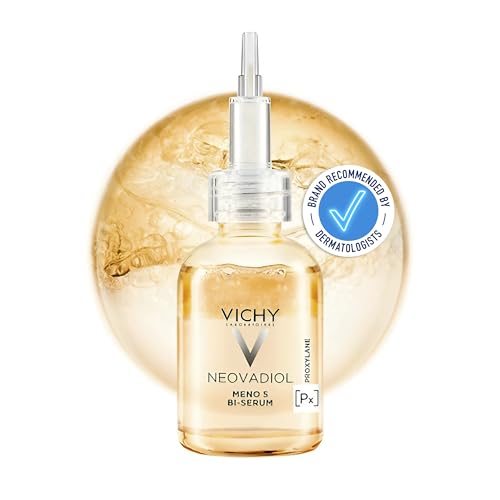
Vichy
Neovadiol Meno 5 Bi-Serum
serum · 2.4 l · 23 ingredients
- No essential oils
- No coconut oil, isopropyl myristate and other heavy, pore-clogging emollients
- With salicylic acid
- With niacinamide
When to see a professional
Consult a dermatologist if: blackheads are widespread and persistent despite 8–12 weeks of consistent OTC salicylic acid and adapalene use; they are accompanied by inflammatory lesions (papules, pustules, cysts); blackheads are causing post-inflammatory hyperpigmentation or early scarring; or they are located on the body (chest, back) and cause significant distress. A dermatologist can prescribe stronger retinoids, perform clinical extractions, and assess whether hormonal factors are driving persistent comedonal acne.
Frequently asked questions
What does the latest evidence say about treating blackheads in 2026?
The current clinical consensus, supported by the AAD and DermNet, holds that topical retinoids (adapalene, tretinoin) used in combination with salicylic acid are the most effective approach to both clearing existing blackheads and preventing new ones. The 2024 AAD acne guidelines continue to recommend topical retinoids as first-line comedonal acne treatment. No fundamentally new treatment category has displaced this combination. OTC adapalene 0.1% remains the most accessible evidence-backed starting point for most people without a prescription.
Why are blackheads black if they're not dirt?
The dark color comes from oxidation. A blackhead is an open comedone — the pore is open to the air. When the sebum and melanin inside the follicular plug are exposed to oxygen, they undergo a chemical oxidation reaction that turns them dark brown or black. This is the same process that turns a sliced apple brown. Washing more aggressively or using cleansers cannot remove this color because the plug is below the skin surface, inside the follicle, where topical washing cannot reach.
Is it safe to squeeze or extract blackheads at home?
Not recommended. Home manual squeezing applies uneven, unsterile pressure and typically results in incomplete extraction or rupture of the follicle wall. Ruptured follicle walls allow bacterial contents to escape into the surrounding dermis, which triggers an inflammatory papule — turning a blackhead into a larger, deeper, more painful pimple. Post-inflammatory hyperpigmentation following this kind of trauma is also common, particularly in medium and darker skin tones. If extractions are wanted, they should be performed by a trained aesthetician or dermatologist on properly prepared skin.
Can blackheads cause scarring?
Blackheads themselves rarely cause scarring. They are non-inflammatory lesions. However, if a blackhead becomes inflamed — either through natural progression or through manual squeezing that ruptures the follicle wall — the resulting inflammatory papule, pustule, or nodule can lead to post-inflammatory hyperpigmentation (dark marks) or, in severe cases, textural scarring. The safest approach to avoid this outcome is to clear blackheads with topical actives rather than mechanical force.
How are blackheads different from sebaceous filaments?
Sebaceous filaments are easily confused with blackheads but are a completely different structure. Sebaceous filaments are normal, healthy channels of sebum inside follicles — they appear as tiny gray or flesh-toned dots, most visible on the nose. They are part of normal skin anatomy and serve to conduct oil to the skin surface. They cannot be permanently removed. Blackheads, by contrast, are a form of acne — abnormal plugs of excess sebum and dead cells in a follicle, with the characteristic black/dark-brown oxidized color. See [blackheads vs. sebaceous filaments](/blackheads-vs-sebaceous-filaments) for a complete comparison.
Health information, not medical advice.
Beauty Comparison is an independent editorial publication. This page is researched and sourced to the authorities listed below, but it is general information — not a diagnosis or a substitute for personalised advice from a qualified doctor, dermatologist or pharmacist. If your symptoms are severe, spreading, painful, or not improving, see a healthcare professional.Sources
- 01Comedonal Acne — DermNet NZ — DermNet NZ, 2023-01-01. Blackheads are open comedones formed by follicular hyperkeratinization; topical retinoids decrease comedone count by 40–70%; salicylic acid is an established alternative to retinoids for comedonal acne.
- 02Acne Vulgaris — StatPearls / NCBI Bookshelf — National Center for Biotechnology Information (NCBI), 2023-01-01. Pathogenic factors in comedone formation: sebum production, follicular hyperkeratinization, C. acnes colonization, inflammation; open comedones darkened by oxidized melanin, not dirt.
- 03Comedone formation: etiology, clinical presentation, and treatment — PubMed, 2004-01-01. Primary pathogenic event in blackhead formation is aberrant keratinization within the follicular infundibulum; microcomedo is the precursor to all visible comedonal acne lesions.
- 04Acne — PMC / NCBI — PubMed Central, 2012-09-01. Salicylic acid is oil-soluble and penetrates sebaceous follicles to dissolve keratin plugs; topical retinoids are first-line comedolytic treatment in clinical guidelines.
- 05Sebaceous Filaments — PMC — PubMed Central, 2021-01-01. Sebaceous filaments are normal healthy follicular structures (sebum channels), distinct from blackheads; they appear as gray or off-white dots predominantly on the nose.
- 06A Comprehensive Review of Acne Treatments — PMC — PubMed Central, 2025-01-01. Combination of salicylic acid and retinoids remains the evidence-based first-line approach to comedonal acne (blackheads); benzoyl peroxide adds value when inflammatory lesions coexist.